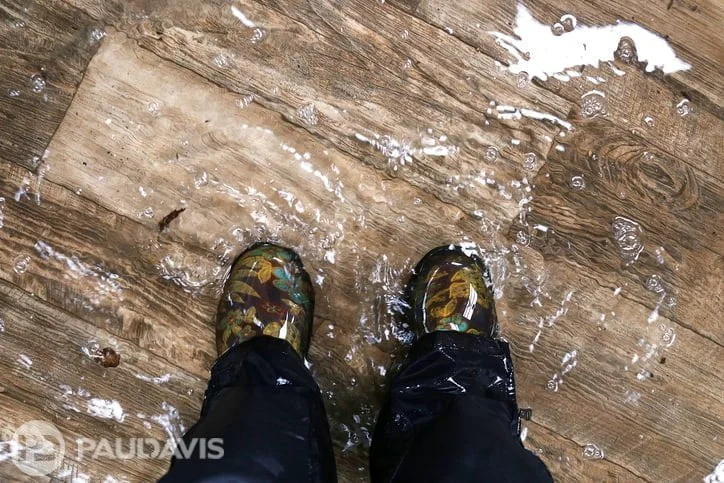
Water damage is one of the most stressful and disorienting situations a homeowner can face. Whether it is a burst pipe, an appliance failure, or a sudden flood, the minutes immediately following discovery are critical. Acting quickly and correctly can make the difference between a manageable repair and a far more costly, extensive restoration project.
We sat down with Bryce Franklin, Large Loss Project Manager at Paul Davis Restoration of Greater Denver, to get his expert perspective on exactly what homeowners should do in those critical first moments.
He said, “You want to get a restoration company or a plumber involved so that you can stop the cause and origin. You want to, at that point, find where the water has progressed to try and get any compromised materials such as paper and packages out of the areas. Following this, you should wait for a professional to arrive on site to assess the situation. You want to get a professional involved as soon as possible to both stop the water and stop the situation from worsening.”
The First Steps Every Homeowner Should Take
Bryce’s advice breaks down into a clear sequence of actions. Following these steps in order gives you the best chance of limiting damage to your property and your belongings.
1. Call a restoration company or plumber immediately
Your very first call should be to a licensed professional. A restoration company like Paul Davis can respond 24 hours a day, 7 days a week and will help connect you to a plumber that can identify and stop the source of the water, which is the single most important thing to do first. Once the source of the water is stopped, a restoration company can move forward with clean up and repair.
2. Stop the source of water if it is safe to do so
If you know where your main water shut-off valve is, turning it off can slow or stop ongoing water intrusion while you wait for help to arrive. Never enter standing water if there is any risk of electrical hazard.
3. Track how far the water has spread
Water moves quickly and travels farther than most homeowners expect. Walk the affected areas and note which rooms, walls, and flooring have been reached. This information will be valuable for the restoration team and your insurance claim.
4. Remove compromised materials from the area
As Bryce specifically notes, items like paper documents, cardboard boxes, and packages should be moved out of wet areas right away. Paper goods absorb moisture rapidly and can accelerate mold growth if left in place. Move them to a dry location as quickly as possible.
5. Wait for a professional to assess the situation
Once you have made the call and done what you can safely do on your own, wait for the professionals to arrive. Attempting to dry things out yourself with household fans or towels without proper assessment can drive moisture deeper into walls and subfloors, making the situation significantly worse.
Why Speed Is Everything
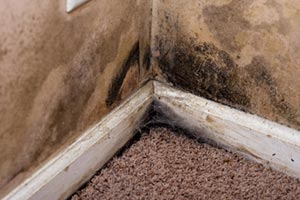
The urgency Bryce describes is not just precautionary. Water damage compounds with time. Within the first hour, water saturates flooring, drywall, and insulation. Within 24 to 48 hours, mold can begin to develop in damp cavities. What starts as a localized plumbing issue can become a structural problem if response is delayed.
Paul Davis Restoration of Greater Denver operates with a 1-hour response window and is available around the clock because the team understands exactly how quickly a situation can escalate. Speed of response is one of the most reliable factors in keeping repair costs manageable and protecting the long-term integrity of your home or property.
What Happens When Professionals Arrive
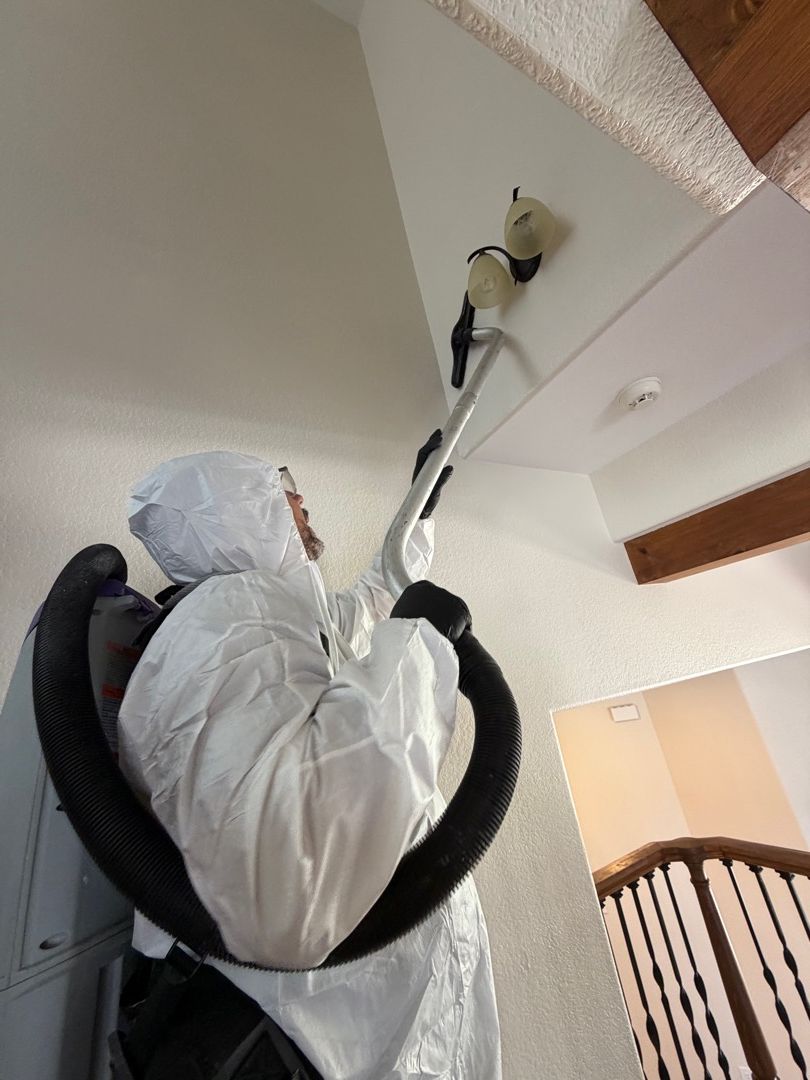
When the Paul Davis team arrives on site, we begin with a thorough assessment of the damage using professional moisture detection equipment. This allows us to identify water that has traveled behind walls or beneath floors, areas that are invisible to the naked eye but can cause serious problems if left untreated.
From there, the team develops a drying and remediation plan tailored to the specific situation. Industrial-grade air movers, dehumidifiers, and structural drying techniques are used to remove moisture from the building materials themselves, not just the surface. Throughout the process, your project manager keeps you and your insurance carrier informed every step of the way.
Paul Davis Restoration of Greater Denver has been serving homeowners and businesses across the Denver metro area since 1990. With over 50 years of experience behind the national brand and a locally based team that knows Colorado’s climate and building conditions, we bring both national expertise and genuine community commitment to every job.
Do Not Wait to Make the Call
If there is one takeaway from Bryce Franklin’s advice, it is this: the moment you discover water damage, your next action is to pick up the phone. The restoration process cannot begin until the source is stopped and the extent of damage is assessed. Every hour you wait is an hour the water continues its work.
Paul Davis Restoration of Greater Denver is available 24 hours a day, 365 days a year. You can reach the team directly or request a free assessment through our website.