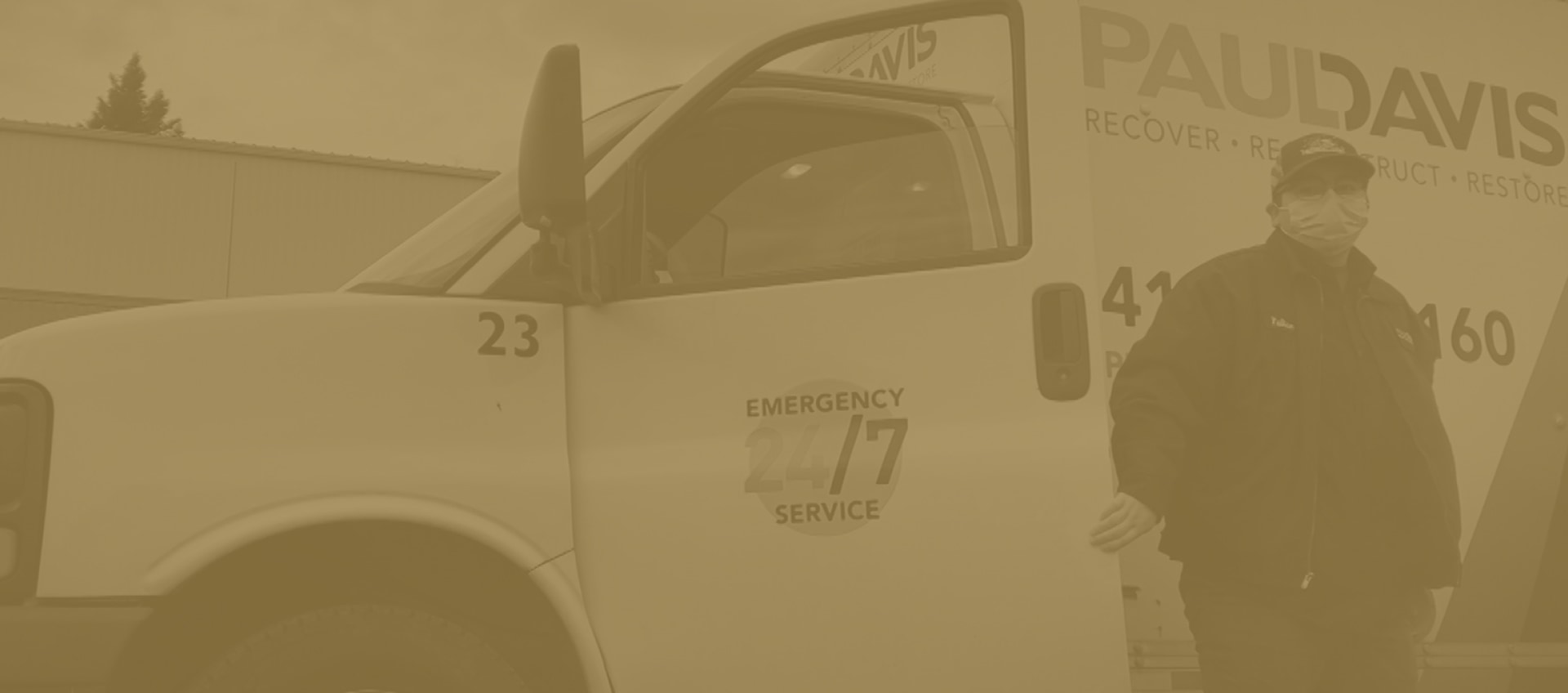
Bryce Franklin, Large Loss Project Manager at Paul Davis Restoration of Greater Denver addresses this.
Bryce states, “When you go through a fire and you’re in there working, your nose and your body can actually go numb or can go blank to the smell. And that’s when things could potentially start to become a big issue. We never advise anybody to stay in their house after a heavy fire. We also never advise anybody to clean it up on their own, and to always seek a professional, whether it’s Paul Davis or another professional in your area. We recommend you seek that professional and their advice. If you do want to move forward on your own, you have the professional guidance. Individuals need to be very careful and mindful of what they breathe into their lungs, what they ingest, and what their skin comes into contact with.”
Why You Should Never Stay in Your Home or Clean Up After a Fire on Your Own
A house fire is one of the most disorienting and traumatic experiences a homeowner can face. In the immediate aftermath, when the flames are out and the smoke begins to clear, the instinct is often to go back in, survey the damage, and start putting things right. But what many people do not realize is that the dangers inside a fire-damaged home do not disappear when the fire does. In fact, they can quietly intensify.
Your Senses Can Deceive You
One of the most important points our team raises when speaking with homeowners after a fire is the way prolonged exposure to smoke and fire byproducts affects the human body’s ability to detect danger. When you spend time inside a fire-damaged space, your nose and your body can effectively go numb to the smell. What started as an overwhelming odor becomes background noise, and that is precisely when the situation can become a serious health risk.
This sensory adaptation is not a sign that conditions have improved. It is a warning. Soot, char, and smoke residue contain a wide range of toxic compounds, including carbon monoxide, formaldehyde, benzene, and heavy metals. When your sense of smell stops registering those contaminants, you may unknowingly be breathing them in, absorbing them through your skin, or ingesting them without any awareness that harm is occurring.
Do Not Stay, and Do Not Go It Alone
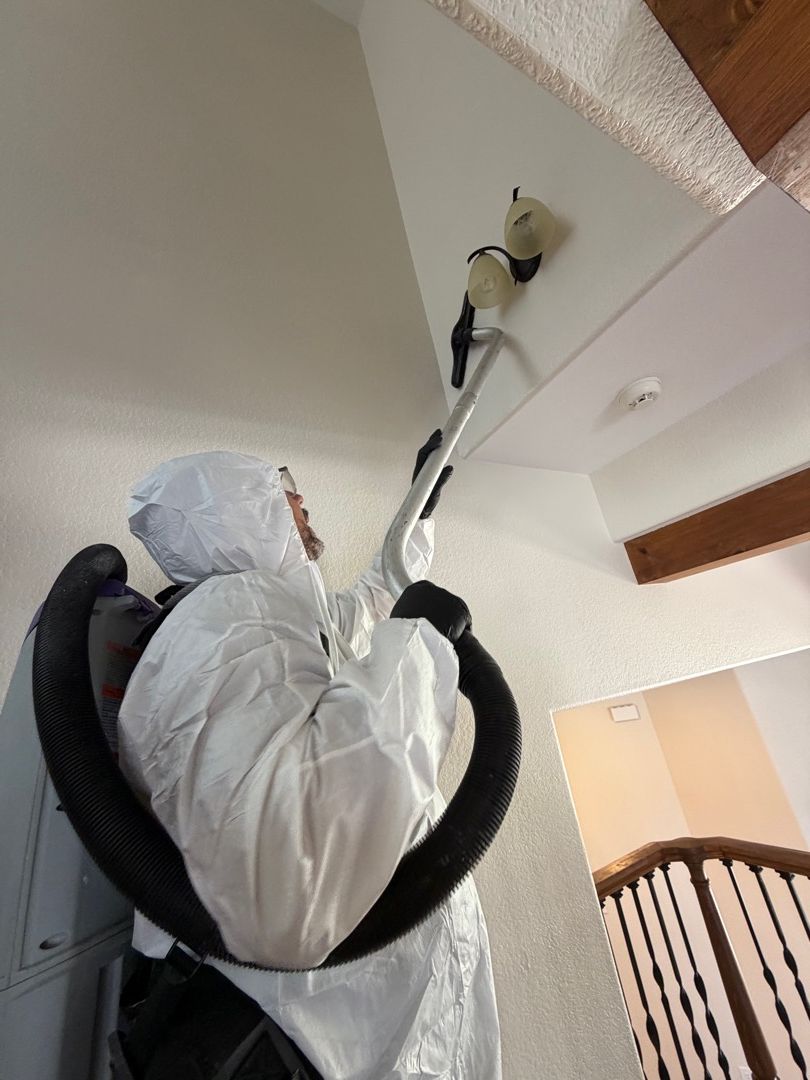
After a heavy fire, we never advise anyone to remain in their home. The structural integrity of the building may be compromised, air quality is almost certainly hazardous, and contamination can spread to surfaces that appear visually undamaged. Re-entering without proper protective equipment and professional assessment puts you and your family at real risk.
Equally important: we do not advise attempting to clean up fire damage on your own. It may seem manageable, especially in areas of the home that look lightly affected. But fire damage cleanup is not like ordinary household cleaning. Disturbing soot and ash without the right containment procedures and equipment can actually spread contamination further. What you wipe from one surface gets redistributed into the air and onto others.
Seek Professional Guidance
We believe that every homeowner who experiences a significant fire deserves professional guidance. The priority is that you get proper advice before making any decisions about re-entry, salvage, or cleanup.
If you do ultimately decide to take on any portion of the work yourself, please consult a professional first and follow their guidance closely. A trained restoration specialist can advise on protective equipment, safe access areas, what materials to avoid disturbing, and how to limit cross-contamination.
Three Things That Must Be Protected
When advising homeowners on the immediate risks inside a fire-damaged home, we focus on three areas of exposure:
What you breathe. Airborne soot particles, residual smoke compounds, and off-gassing from burned materials can cause serious short- and long-term respiratory harm. This is the most immediate risk and the hardest to self-monitor once your senses have adjusted.
What you ingest. Toxic residue settles on every surface, including food preparation areas, utensils, and food itself. Nothing from inside a fire-affected home should be consumed until the space has been professionally assessed and cleared.
What touches your skin. Direct skin contact with soot, ash, and chemically contaminated surfaces poses its own risk. Certain compounds in fire residue can be absorbed dermally and cause irritation, burns, or systemic effects with prolonged contact.
We Are Here When You Need Us
At Paul Davis Restoration of Greater Denver, our team is trained to handle large loss fire events safely and thoroughly. We understand the urgency and the emotional weight of what homeowners are experiencing, and we are committed to guiding every customer through the process with care, transparency, and expertise.
If you or someone you know has recently experienced a fire, please reach out to us or another licensed restoration professional in your area before stepping back into that space. Your health and safety are worth the call.